
Zoventaq is reader-supported. When you buy through links on this page, we may earn a commission at no extra cost to you. As an Amazon Associate, we earn from qualifying purchases.
Face toner for beginners is confusing: some are milky, some are watery, and some are astringents that feel very different on skin. Pinterest shopping data shows toners climbing fast this season, so here are four popular, very different options to compare, with what each one is for, what to check before you buy and who should skip it.
How we picked
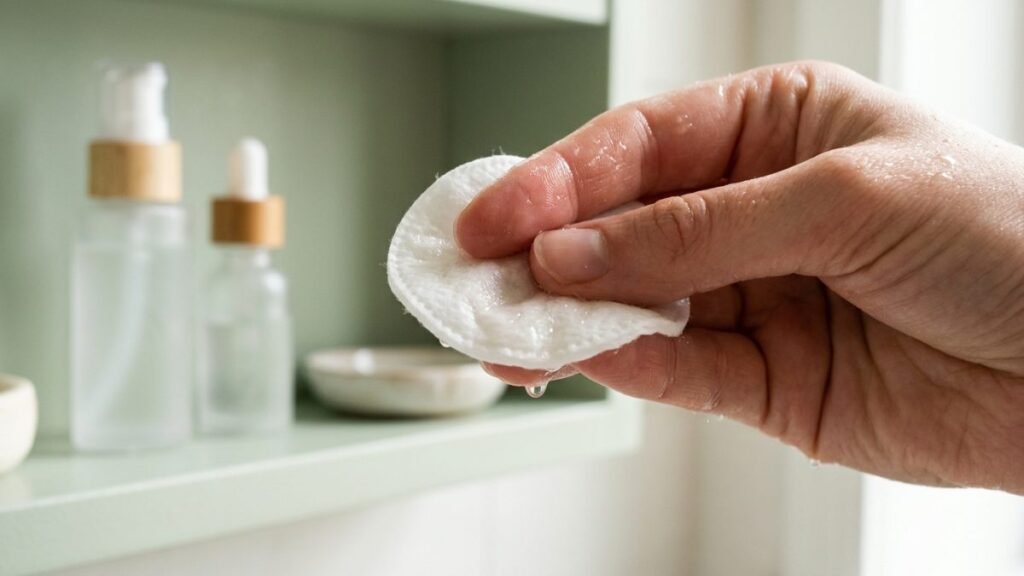
We have not physically tested these products. This guide is based on the product listings on the Amazon pages and the best-seller rankings there. Product photos come from the Amazon listings; the top image is an AI illustration. We chose four different styles of toner instead of four near-identical bottles, so you can see how they differ.
What a toner does, and how to choose one
A toner is a light liquid applied after cleansing and before moisturizer. Today’s formulas range from hydrating milky toners to witch hazel astringents.
- Read the label first. Check for alcohol, fragrance and any ingredient you already know bothers your skin.
- Hydrating or astringent? Milky and hydrating toners aim to add moisture; astringents aim for a tighter, fresher feel.
- Skin type: dry or sensitive skin often suits gentler, fragrance-free formulas, but everyone’s skin is different.
- Patch test. Try a small amount on your jaw or inner arm before using it on your whole face.
1. A milky rice toner
Best for a glowy, light feel
Anua Rice 70 Glow Milky Toner, 8.45 fl. oz

- A lightweight milky toner with rice water and niacinamide, according to the listing.
- Also lists ceramides and says it is fragrance free.
- The listing says it suits all skin types and can be used morning and night.
Keep in mind: Milky textures feel different from watery toners, so check how it layers with your other products.
2. A hydrating milky toner for dry skin
Best for a dewy finish
BYOMA Milky Toner, Hydrating Face Toner

- Lists polyglutamic acid and cica, according to the listing.
- Described as alcohol-free and fragrance-free, vegan and cruelty free.
- Made around a barrier-supporting lipid blend, per the listing.
Keep in mind: It is a richer, milky style, so people who like a watery toner may prefer something else.
3. A simple, pH-balanced toner
Best for a no-fuss routine
CeraVe Hydrating Toner for Face, Non-Alcoholic

- Lists hyaluronic acid, niacinamide and ceramides, according to the listing.
- Described as alcohol free, non-astringent and fragrance free.
- The listing says it was tested on sensitive skin and has a non-greasy feel.
Keep in mind: It is a basic, gentle style. If you want a glow-type or exfoliating toner, look elsewhere.
4. A witch hazel astringent
Best for a fresh, tight feel
T.N. Dickinson’s Witch Hazel Moisturizing Astringent, 16 Oz

- An alcohol-free witch hazel with hyaluronic acid and aloe, per the listing.
- A large 16 oz bottle, which suits people who like to use it daily.
- Often used on a cotton pad or as a mist, according to buyers.
Keep in mind: Witch hazel is an astringent, and some people find astringents drying, so start slowly.
How the four compare
| Toner | Best for | Watch out for |
|---|---|---|
| Anua Rice 70 | Glowy, light finish | Milky texture |
| BYOMA Milky Toner | Dry skin, dewy look | Richer feel |
| CeraVe Hydrating | Simple routines | Basic, not a glow toner |
| T.N. Dickinson’s | Fresh, tight feel | Can feel drying |
How to use a toner
- Cleanse first, then apply the toner to a cotton pad or your clean hands.
- Pat it in gently instead of rubbing.
- Follow with moisturizer while skin is still slightly damp.
- Introduce one new product at a time so you can tell what works for you.
Building a beauty routine? See our makeup tools for beginners guide.
Who this guide suits, and who should skip it
A good fit: beginners who want a short, clear look at the main types of toner and what each is for.
Not a good fit: anyone with a skin condition, allergies or irritation who needs personal advice. Please ask a dermatologist or pharmacist for that.
Common mistakes to avoid
- Skipping the label. Check ingredients, especially if your skin is sensitive.
- Starting several new products at once. Add one at a time.
- Expecting the same feel from every toner. Milky, watery and astringent styles behave differently.
- Rubbing hard with a pad. Gentle patting is usually kinder to skin.
FAQ
Do I need a toner?
Not everyone does. A toner is an optional extra step after cleansing, and some people prefer to skip it.
Can I use toner every day?
Many people use hydrating toners daily, but check the directions on each product and stop if your skin feels irritated.
What is the difference between a milky toner and an astringent?
Milky toners aim to hydrate and soften, while astringents like witch hazel aim for a fresher, tighter feel.
Should I patch test a new toner?
It is a sensible step. Try a small amount on your jaw or inner arm first.
Bottom line
The best face toner for beginners is the one that suits your skin and is easy to use consistently. Start with a gentle, fragrance-free option, patch test it and add new products one at a time. See the CeraVe toner on Amazon