Selection criteria

What to check before you choose

Each tool format trades reach, control, and upkeep differently. Measure the space first, then compare the features below.

Crevice brushes

Narrow scrub heads

Look for a head width that fits the gap between an appliance and a cabinet. Angled handles give better leverage in tight spaces, though very stiff bristles can scratch softer finishes.

Duster poles

Extendable reach

Check the locked length against the height of your baseboards and shelves. Lighter poles are easier to control, but a longer reach can flex more under pressure.

Sink caddies

Modular storage

Confirm the caddy fits your cabinet depth and drains freely. Compact designs reduce clutter, while open airflow helps prevent damp residue from lingering.

Care and limits

Keep tools dry, washable, and replaceable

Washable microfiber and replaceable heads often cost less over time than disposable refills, but durability depends on how a tool is cleaned and stored. Rinse heads after use, let them air-dry fully, and store caddies where moisture can escape.

Sanitization has limits. Ordinary washing removes most grime, while disinfecting a surface may require a different product and contact time. Check the manufacturer's care guidance before you assume a tool can handle heat, bleach, or harsh chemicals.

Zoventaq selection guide

Choose the tool for the cleaning job

Start with the surface and the size of the task. A floor mop, detail brush and sink organizer solve different problems; buying all three is not automatically better.

As an Amazon Associate I earn from qualifying purchases. These are research-based suggestions, not hands-on reviews. Check the exact variant, dimensions, seller, current price and delivery to your US address on Amazon before ordering.
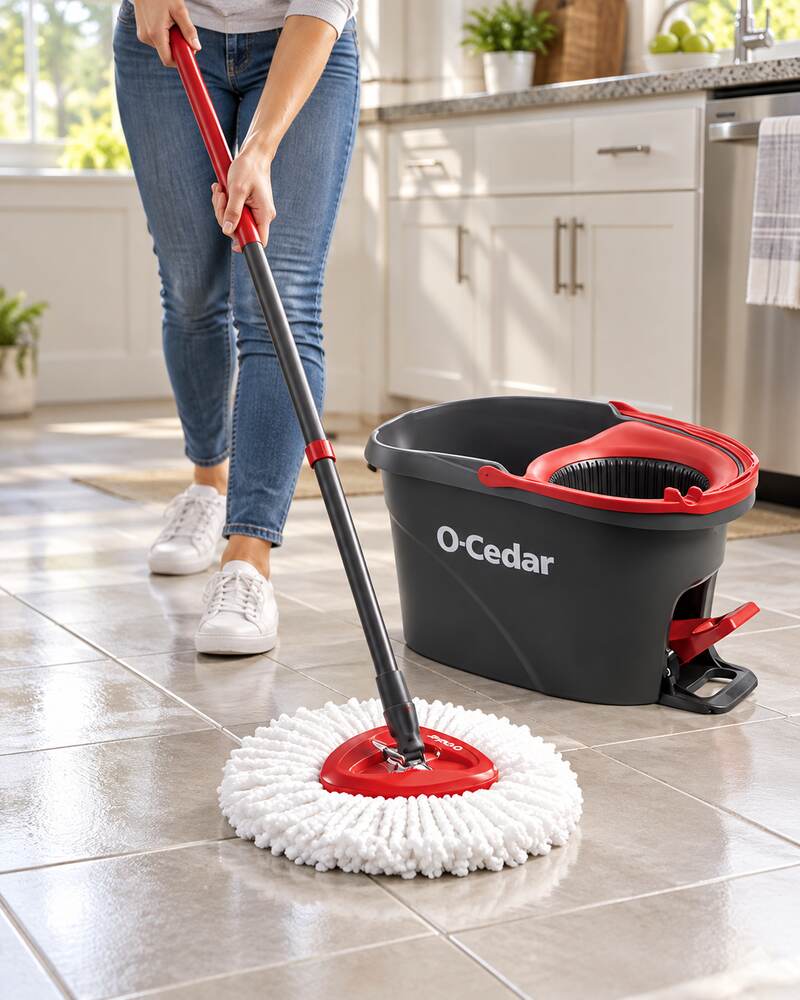
AI-generated lifestyle illustration for O-Cedar EasyWring Microfiber Spin Mop & Bucket
AI-generated illustration; see Amazon for exact product appearance and included pieces.

For routine hard-floor mopping

O-Cedar EasyWring Microfiber Spin Mop & Bucket

A mop-and-bucket system suits larger floor areas where a small hand brush would be impractical. Keep floor cleaning separate from sink and food-preparation tools.

Before buying: Confirm your flooring permits damp mopping. Follow the flooring maker’s moisture guidance and check the linked package contents.

See listing details using the Amazon button below.

View on Amazon ↗
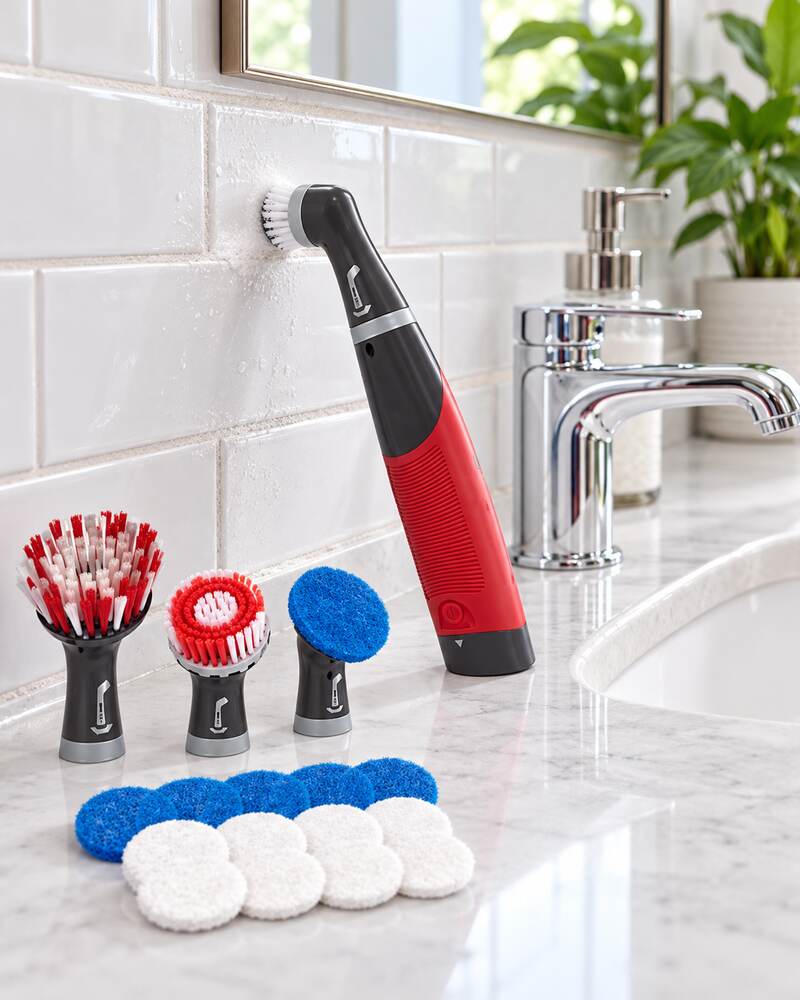
AI-generated lifestyle illustration for Rubbermaid Reveal Power Scrubber, 18-Piece Kit
AI-generated illustration; see Amazon for exact product appearance and included pieces.

For targeted detail cleaning

Rubbermaid Reveal Power Scrubber, 18-Piece Kit

A powered handheld brush is an option for detailed work around fixtures and tile edges, rather than cleaning an entire floor.

Before buying: Check current seller availability and included attachments. Match the brush to the finish; test an inconspicuous spot and follow the water-exposure instructions.

Product details source

View on Amazon ↗
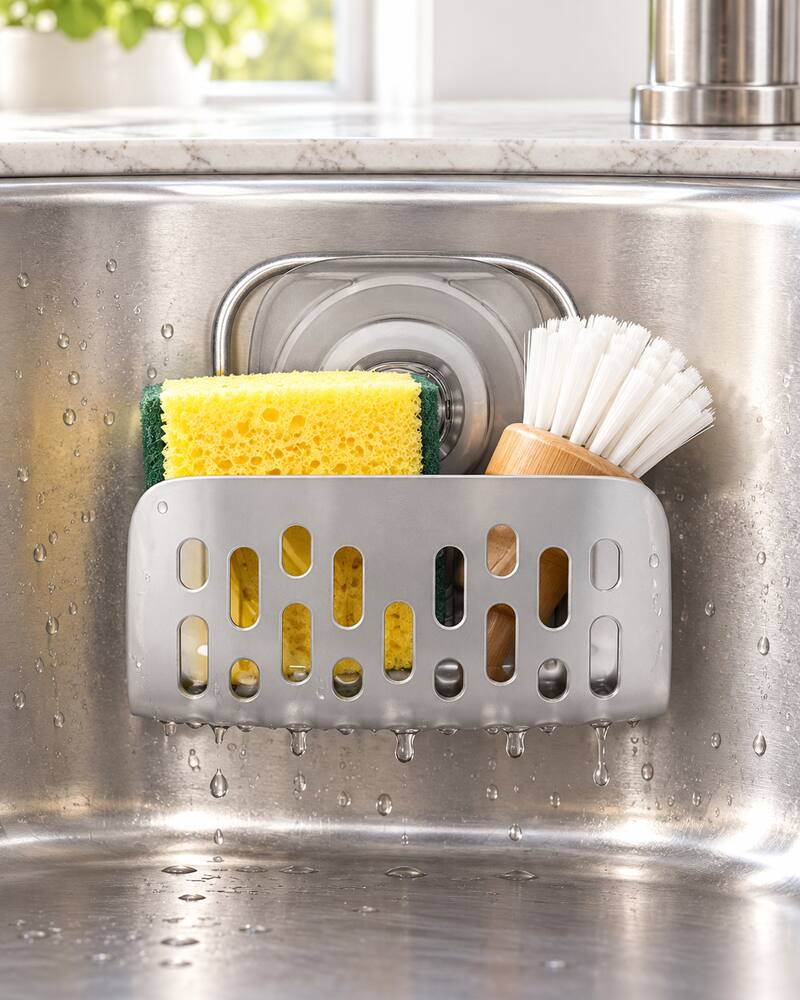
AI-generated lifestyle illustration for OXO Good Grips Stronghold Suction Sponge Holder
AI-generated illustration; see Amazon for exact product appearance and included pieces.

For keeping a sponge off the counter

OXO Good Grips Stronghold Suction Sponge Holder

A suction-mounted holder may suit a small sink area where countertop space is limited. Let the sponge dry between uses.

Before buying: Check the manufacturer’s compatible surfaces before buying. Suction mounting may not work well on textured or uneven surfaces.

See listing details using the Amazon button below.

View on Amazon ↗
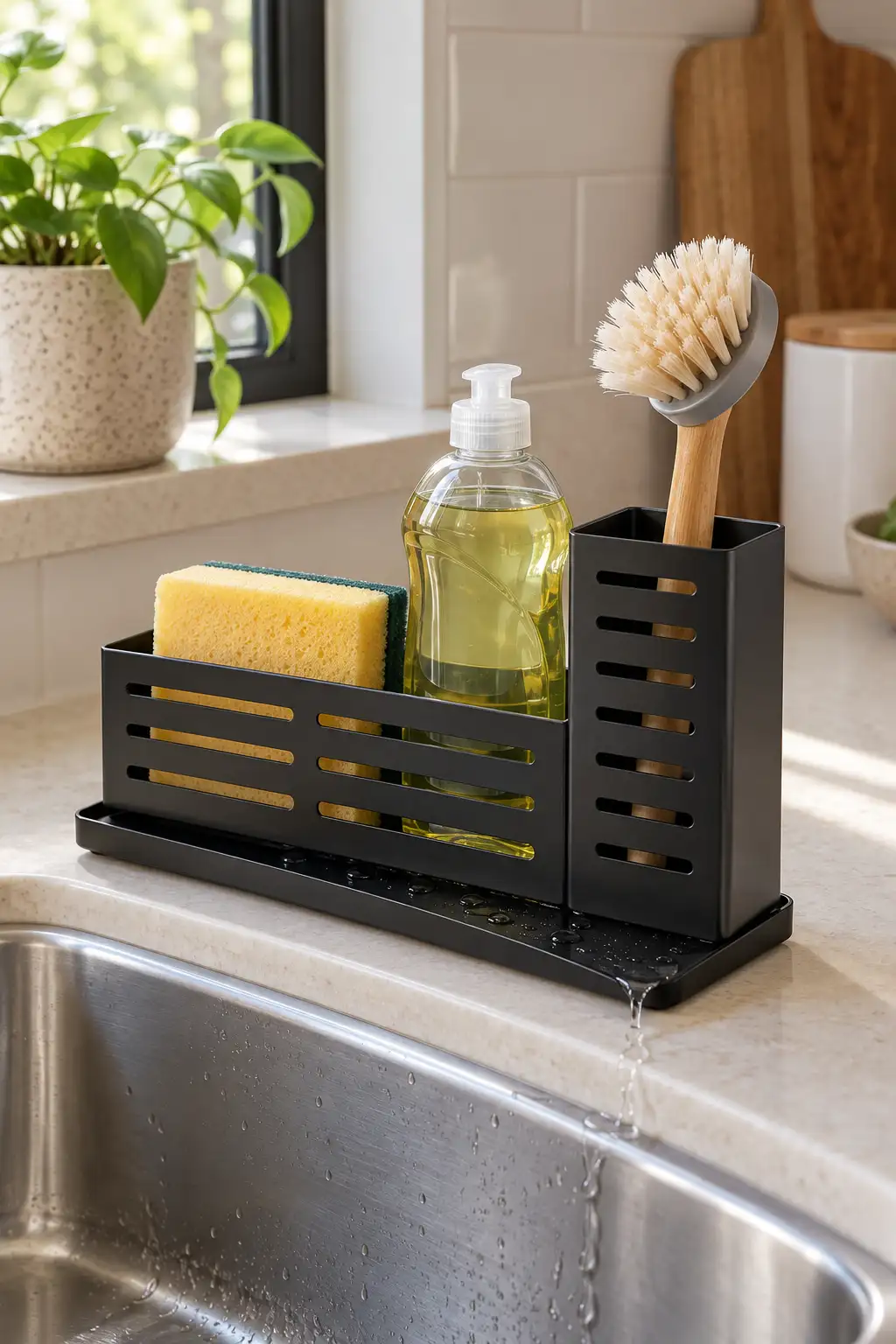
AI-generated lifestyle illustration for Cisily Sink Caddy with Brush Holder
AI-generated illustration; see Amazon for exact product appearance and included pieces.

For grouping sink-side supplies

Cisily Sink Caddy with Brush Holder

A sink caddy gives brushes and sponges a dedicated place. Choose it when scattered supplies, rather than scrubbing effort, are the main problem.

Before buying: Measure the available space around the faucet. Check drainage, the exact color and whether your tallest brush fits.

See listing details using the Amazon button below.

View on Amazon ↗
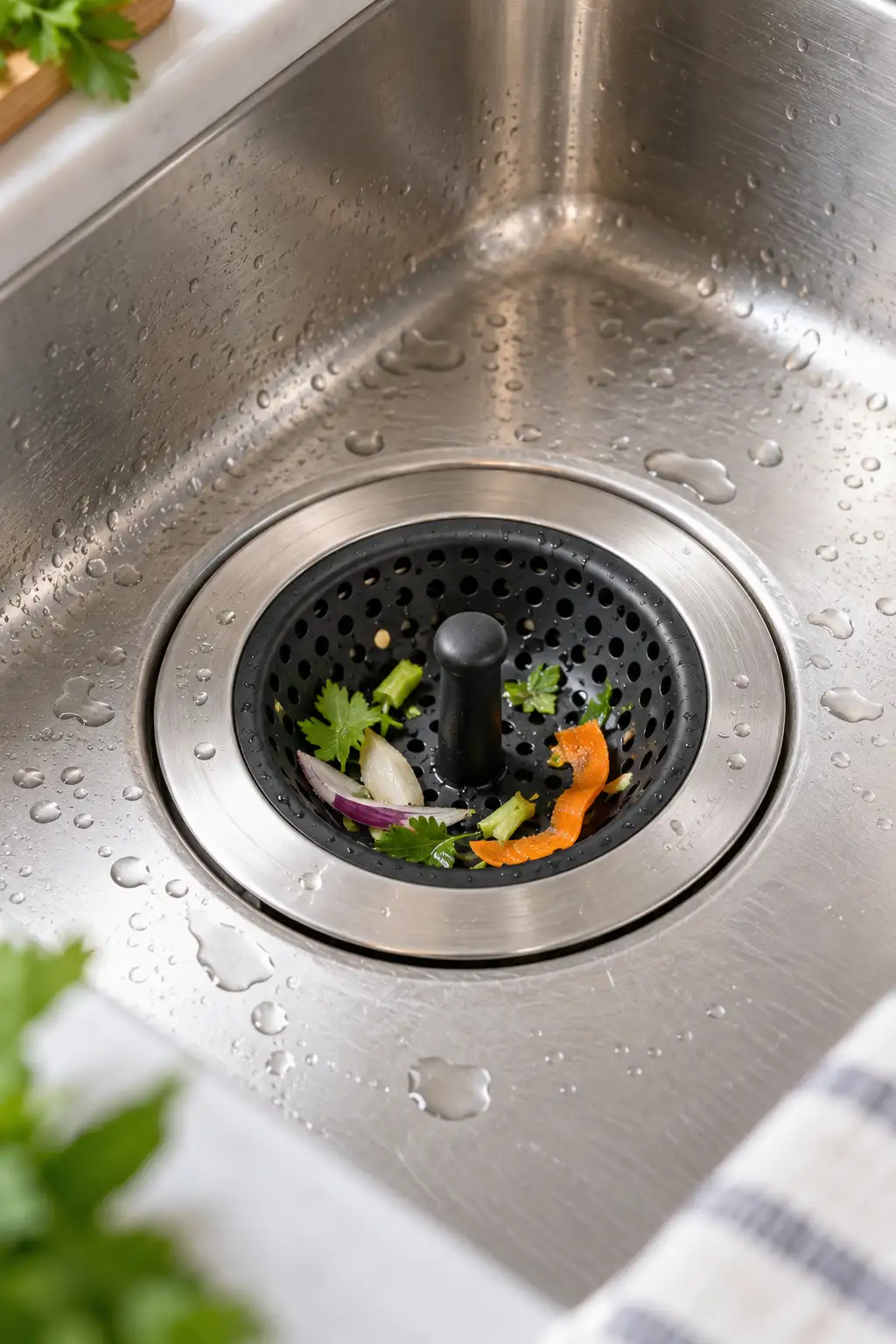
AI-generated lifestyle illustration for OXO Good Grips Silicone Sink Drain Strainer
AI-generated illustration; see Amazon for exact product appearance and included pieces.

For catching food scraps

OXO Good Grips Silicone Sink Drain Strainer

A removable strainer is worth considering if food scraps are regularly reaching the sink drain. Empty trapped scraps promptly.

Before buying: Measure your drain opening and compare the fit. A strainer does not clear a blocked drain or replace proper disposal practices.

See listing details using the Amazon button below.

View on Amazon ↗

Put it to work

  1. For tight corners, measure the gap before comparing brush heads. A larger head cannot clean a narrower opening.
  2. Check the surface-care instructions and test tools on a hidden area first.
  3. Use separate tools for floors, bathrooms and food-contact areas.
  4. Remove visible dirt, then follow the label if a separate disinfectant is needed. A cleaning tool alone does not establish disinfection.
  5. Rinse, dry and store the tool as directed; replace worn heads instead of pressing harder.

Choosing cleaning tools that last

Good cleaning tools make a task faster without damaging the surface. Start with the job: a narrow gap beside the stove, a sink full of stuck-on food and a hard floor need different tools. Check what the surface can handle, such as nonstick pans, stone counters or sealed wood, and read the care label before using a stiff brush or a strong cleaner.

Washable and replaceable heads usually cost less over time than disposable refills. Wash microfiber separately from other laundry and skip fabric softener, which can leave a coating that reduces absorbency. Let brushes and sponges dry fully between uses, store them where air can reach them and replace them when they fray or smell.

Safety basics

  • Unplug appliances and let them cool before cleaning near them.
  • Do not mix cleaning products, and ventilate the room when using strong ones.
  • Use separate tools for floors, bathrooms and food-contact areas.
  • Test any new tool on a hidden spot first.

Guides to read next