Zoventaq is reader-supported. When you buy through links on this page, we may earn a commission at no extra cost to you. As an Amazon Associate, we earn from qualifying purchases.
An instant read thermometer takes the guesswork out of cooking chicken, steaks and burgers. This guide looks at the TempPro TempSwift TP19H, a compact folding-probe model from ThermoPro, and explains who needs one, how to use it, and how to check that it reads correctly.
How we picked
We have not personally tested this thermometer. This guide is based on the listed specifications and a review of buyer feedback on the Amazon page. We compared speed claims, display design, durability comments and how easy it is to verify accuracy.
TempPro TP19H instant read thermometer: what to know
Best for everyday home cooking
TempPro TempSwift TP19H (ThermoPro)
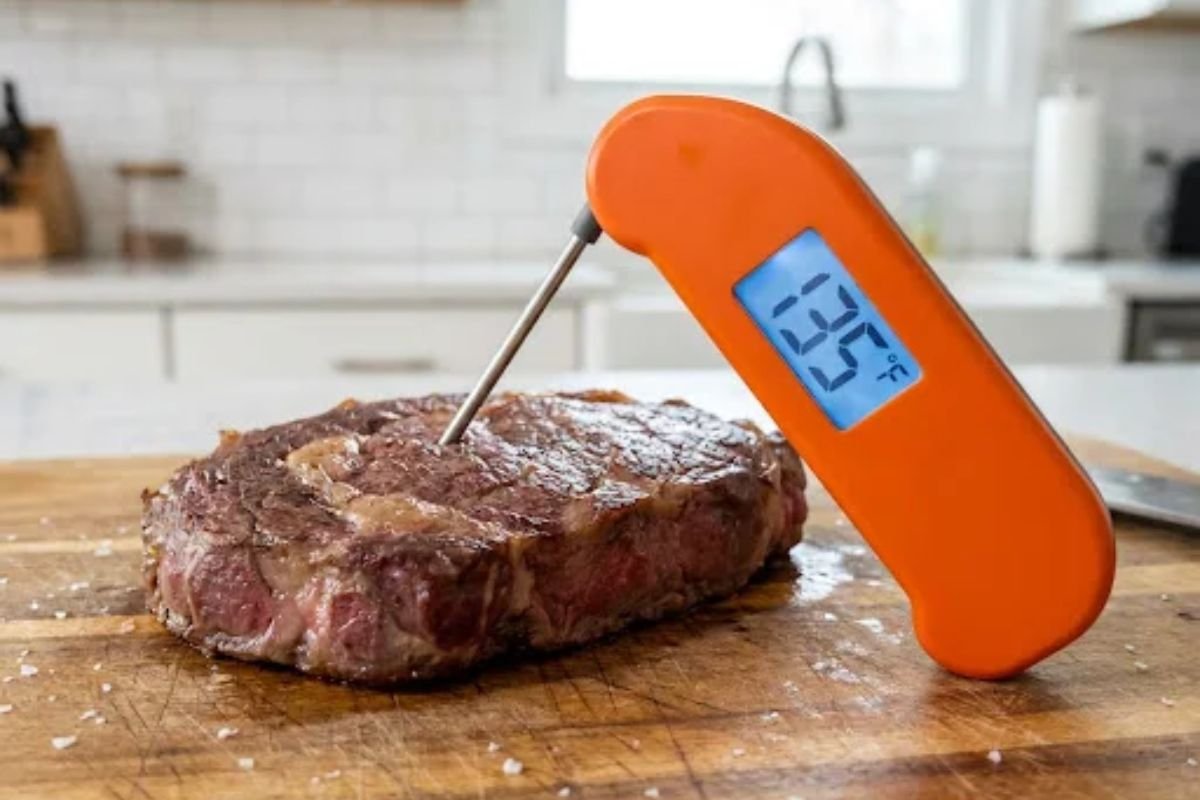
- Folding probe of about 4.3 inches with an auto-rotating backlit display, handy for left or right hands.
- Motion wake and sleep, a lock function, and a magnetic back for the fridge.
- Listed accuracy of about plus or minus 0.9°F, with calibration and an IP65 water-resistance rating.
Keep in mind: The listing says one second, but buyers often report two to three seconds in real use. Some report breakage after about a year and a half, and IP65 means splash-resistant, not submersible. Skip it if you want a leave-in probe for roasts or smoking.
How to use an instant read thermometer correctly
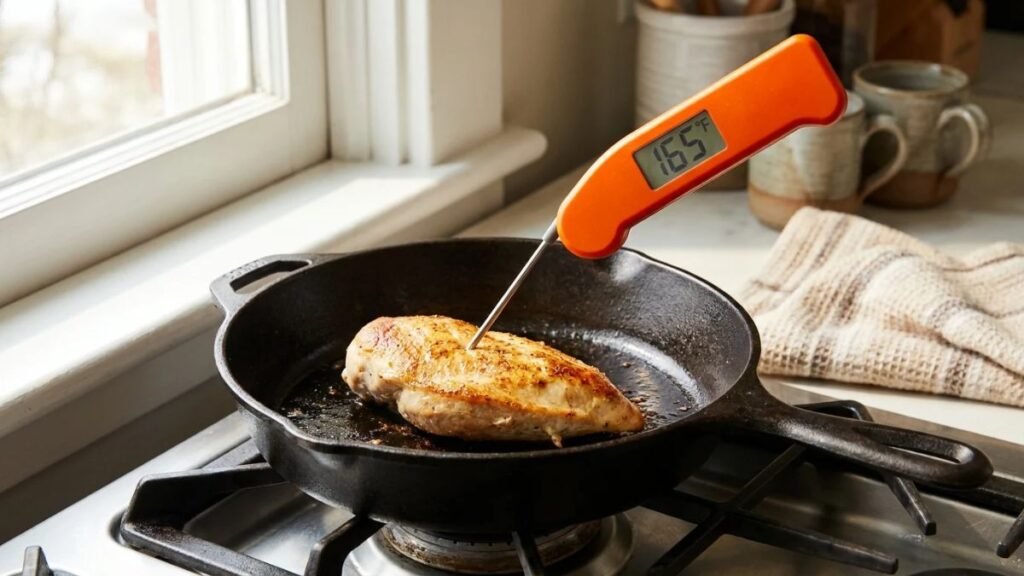
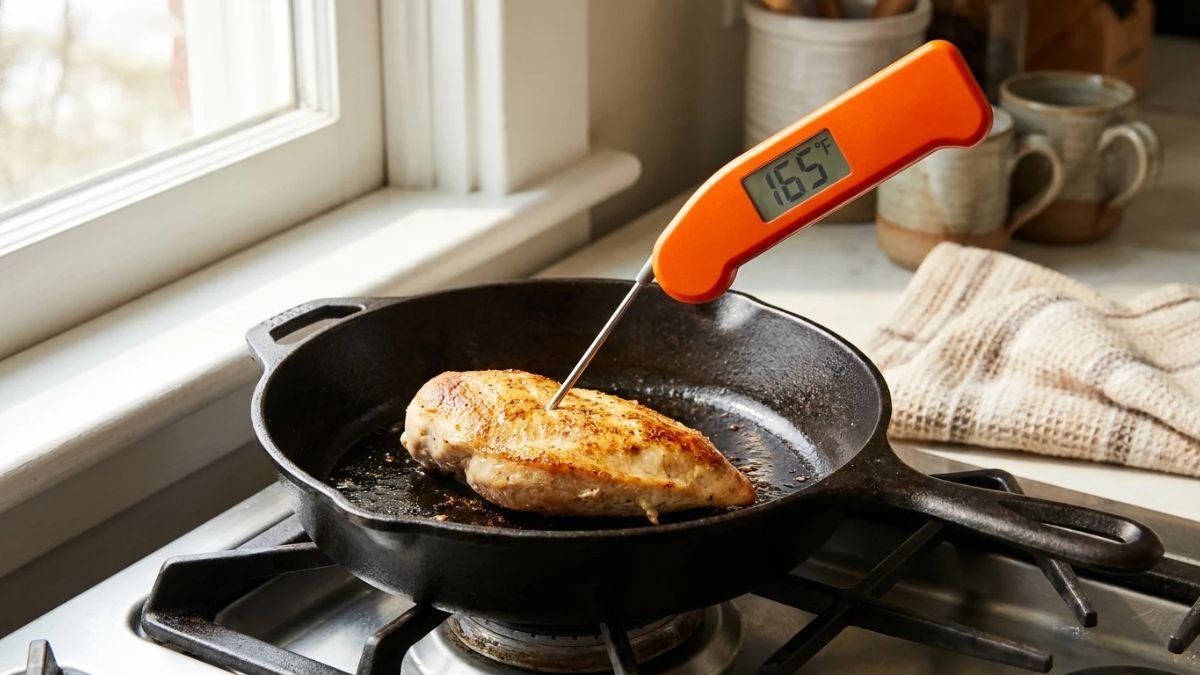
- Probe the thickest part: insert the tip into the center of the thickest part of the meat.
- Avoid bone, fat and the pan: they read hotter or colder than the meat.
- Wait for the number to settle: read after the display stops climbing.
- Clean the probe: wipe it between checks, especially after raw meat.
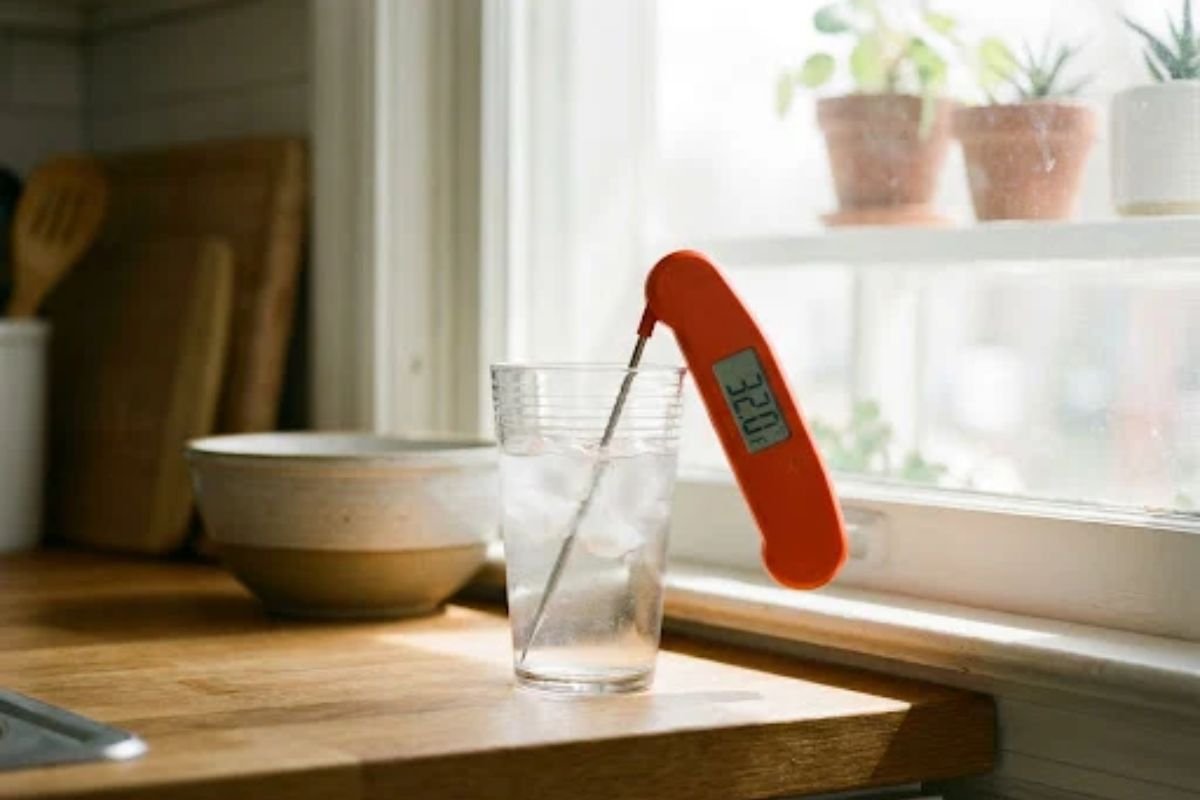
Check accuracy with ice water
Fill a glass with ice, add cold water, and stir for a minute. Put the probe in without touching the glass. Water at that point should read close to 32°F. If yours is off, use the calibration function described in the manual.
Common safe temperatures
These are the minimum internal temperatures commonly published by the USDA. Confirm current guidance for your food.
| Food | Minimum internal temperature |
|---|---|
| Poultry | 165°F |
| Ground beef and pork | 160°F |
| Steaks, chops and roasts | 145°F with a 3-minute rest |
Instant read vs. leave-in probe
| Type | Best for | Limit |
|---|---|---|
| Instant read | Quick checks on steaks, chicken, burgers | You must open the oven or grill to check |
| Leave-in probe | Roasts and long cooks | Slower to move around; usually a separate tool |
Setting up your prep space? See our guides to the best digital kitchen scale, angled vs. standard measuring cups and how to set up a drawer around the food prep you do.
Who should buy this thermometer, and who should skip it
A good fit: anyone who cooks chicken, burgers, pork chops or steaks a few times a week and wants a quick, inexpensive way to check doneness. The folding probe stores flat in a drawer, and the magnetic back keeps it in reach on the fridge.
Not a good fit: people who roast large cuts for hours, smoke meat or want to monitor a temperature remotely. A leave-in probe with an alarm or a wireless model suits those jobs better. Candy and deep-frying work usually calls for a thermometer rated for very high heat, so check the manual before using this model for them.
Common mistakes to avoid
- Touching the pan. A probe resting on hot metal can read higher than the food.
- Checking too late. Start checking a little before the expected finish so the food does not overcook.
- Checking only one spot. Larger or uneven cuts can be done in one place and not another.
- Submerging the body. The IP65 rating covers splashes, so wipe it clean instead of soaking it.
Why resting meat matters
Meat keeps cooking briefly after you take it off the heat. A short rest also lets juices settle. Pull the food close to your target, rest it as the guidance for that cut suggests, and check once more with the thermometer if you want to be sure.
FAQ
Is an instant read thermometer worth it?
If you cook chicken, steaks or burgers often, it removes guesswork and helps avoid overcooking.
Is the reading really instant?
The listing claims one second, but buyers often report two to three seconds.
Can it stay in the oven?
No. It is an instant read model for quick checks, not a leave-in probe.
How do I know it is accurate?
Test it in stirred ice water; it should read close to 32°F. The calibration feature can adjust it.
Where to insert the probe
Insert the tip into the thickest part of the food, away from bone, fat and the pan. For thin items such as burgers or chicken cutlets, insert from the side so the sensing area sits in the center. Wait for the reading to settle, which usually takes a few seconds with a quick thermometer, and clean the probe between raw and cooked foods.
Common doneness temperatures
The USDA recommends cooking poultry to a safe internal temperature of 165°F, ground meats to 160°F and whole cuts of beef, pork and fish to 145°F with a three-minute rest for the meat cuts. Check the USDA’s current guidance for other foods, and remember that these are minimums for safety, not a measure of how you like your steak.
Keeping the thermometer accurate
Test it occasionally in a glass of ice water. A correct reading is close to 32°F (0°C) after the water has settled. If your model has a calibration option, follow the manufacturer’s instructions; otherwise note the difference and consider replacing it if the error is large. Replace dead batteries promptly, since low power can cause odd readings.
Updated October 30, 2026. Zoventaq’s guides are desk research and are not based on hands-on testing.
Bottom line
The TP19H is a compact, practical instant read thermometer for everyday home cooking. Check accuracy with ice water, use it correctly, and pick a leave-in probe if you roast or smoke. See it on Amazon