Zoventaq is reader-supported. When you buy through links on this page, we may earn a commission at no extra cost to you. As an Amazon Associate, we earn from qualifying purchases.
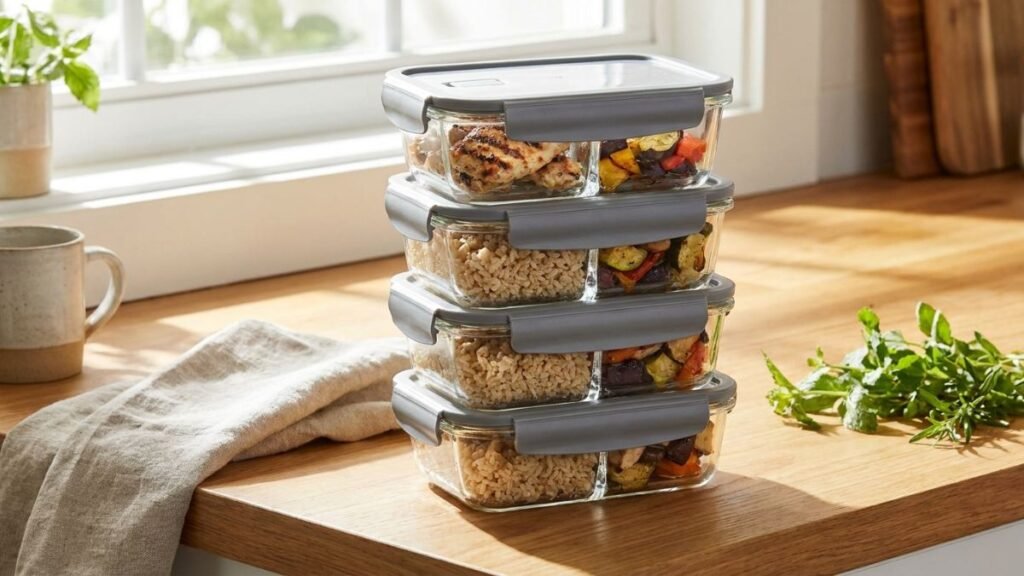
Glass meal prep containers keep food fresh, do not hold on to smells, and go from the fridge to the microwave. This guide looks at the KOMUEE 10-pack of 30 ounce glass containers, what it is good at, where it falls short, and how to care for the lids.
How we picked
We have not physically tested this product. This guide is based on the listing details and measurements on the Amazon page and a read through buyer feedback there. We looked at what size or space the product needs, how it is built, and the complaints buyers raise most often.
KOMUEE 10-pack glass meal prep containers: what to know
Best for weekly lunch prep
KOMUEE 10 Pack 30 oz Glass Meal Prep Containers with Lids
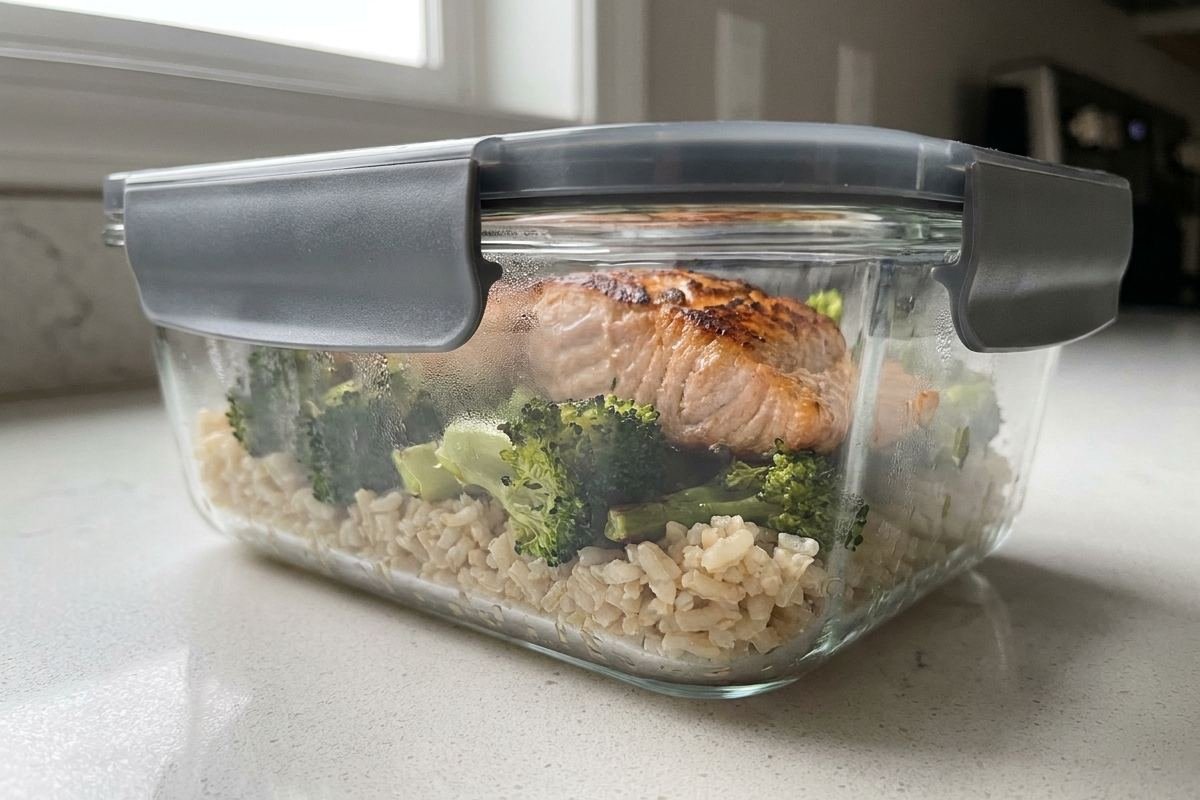
- Ten 30 ounce borosilicate glass containers, each with a plastic snap-lock lid and silicone seal.
- The listing says the glass is usable in the microwave, freezer, dishwasher and oven.
- Rectangular shape stacks neatly in the fridge and fits a lunch bag.
Keep in mind: The lids are plastic. The listing says to take them off before using the oven, microwave or dishwasher, and to wash them on the top rack or by hand. Glass is also heavier than plastic. Skip it if you carry meals a long way every day and want the lightest option.
Glass or plastic for meal prep?
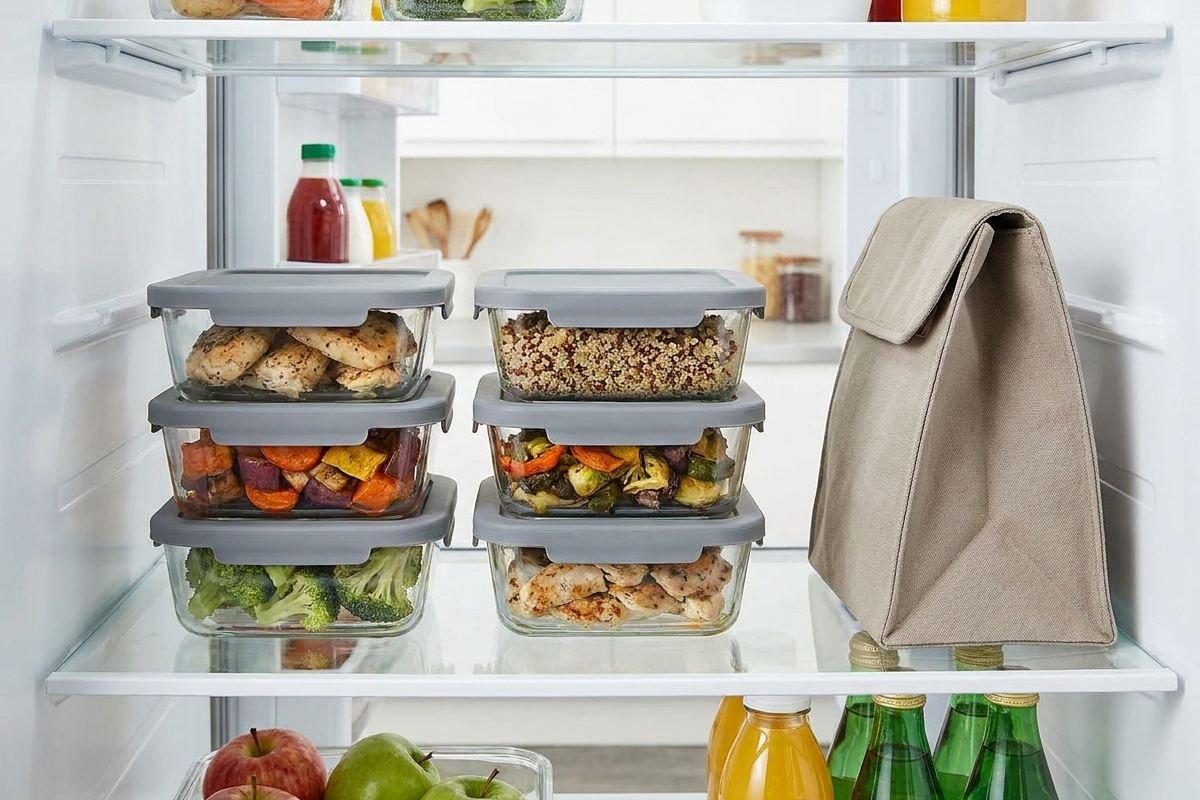
Both work, and the right choice depends on how you use them:
- Glass: does not stain or hold smells, and you can see the food. It is heavier and can break if dropped.
- Plastic: lighter and cheaper, but can stain and wear over time.
- Lids: either way, the lids are usually plastic, so check the care instructions.
Meal prep container options
| Option | Best for | Watch out for |
|---|---|---|
| Glass set with snap lids | Weekly prep, reheating and freezing | Heavier; lids need hand care |
| Plastic set | Lightweight commutes | Can stain or warp |
| Single large container | Batch cooking and storing | Less portioning |
Tips for using glass containers
- Let hot food cool a little before sealing the lid.
- Remove the lids before microwaving or using the oven, as the listing advises.
- Avoid sudden temperature changes, such as putting a hot dish into cold water.
- Leave a little space at the top when freezing so food can expand.
For more prep ideas, see 1-cup freezer tray vs. freezer bags, the best digital kitchen scale for baking and meal prep and how to set up a drawer around the food prep you do.
Who should buy these containers, and who should skip them
A good fit: people who cook once or twice a week and portion meals for work or school, and anyone who wants containers that do not hold stains or smells.
Not a good fit: people who need the lightest possible lunch box, kids who might drop them, or anyone who dislikes hand-washing lids. In those cases plastic or a set with fewer pieces may suit you better.
Common mistakes to avoid
- Microwaving with the lid on. The listing says to remove the plastic lid first.
- Thermal shock. Do not move a hot glass dish straight into cold water.
- Overfilling. Leave room under the lid to prevent leaks and allow freezing.
- Skipping the seal check. Make sure the silicone ring sits flat before you snap the lid shut.
A simple weekly prep routine
Cook a protein, a grain and a vegetable on one day, let them cool, then divide them across the containers. Label the lids with the day and store them stacked on one fridge shelf. Eat the first few days fresh and freeze the rest for later in the week.
FAQ
Can I microwave the containers?
The listing says the glass can be used in the microwave, but the plastic lids should be removed first.
Are they oven safe?
The listing says the glass can go in the oven, without the plastic lids.
Are the lids dishwasher safe?
The listing recommends the top rack or hand washing for the lids.
How many containers are in the set?
This listing is for ten 30 ounce containers with ten lids.
Bottom line
If you prep a week of meals and want containers that go from freezer to microwave, this glass set is practical. Mind the lids, avoid sudden temperature changes, and choose plastic if weight is your priority. See it on Amazon