
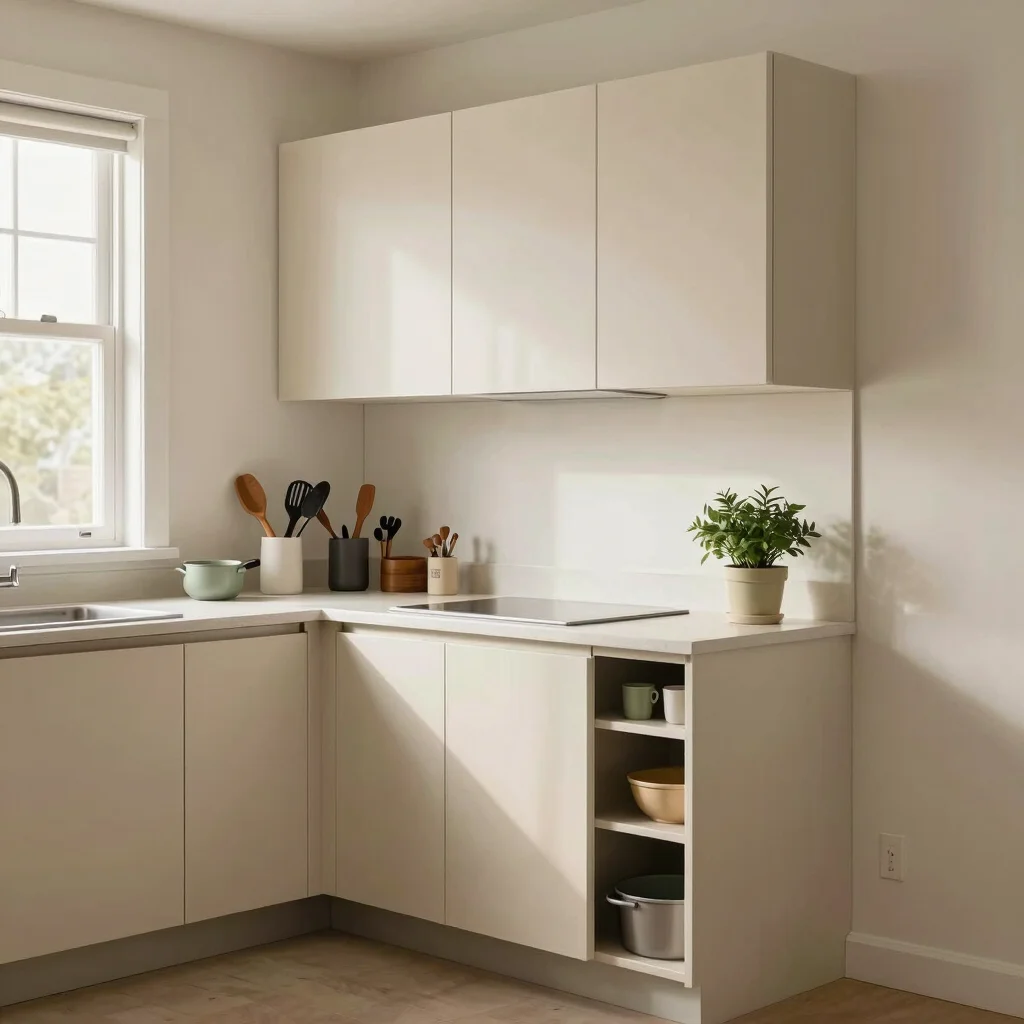
When counter space is tight, another organizer can solve one problem and create a new one: less room to chop, drain dishes, or set down a grocery bag. Before shopping, follow a normal cooking routine and notice which items interrupt it. The most useful storage change is usually the one that clears a specific bottleneck.
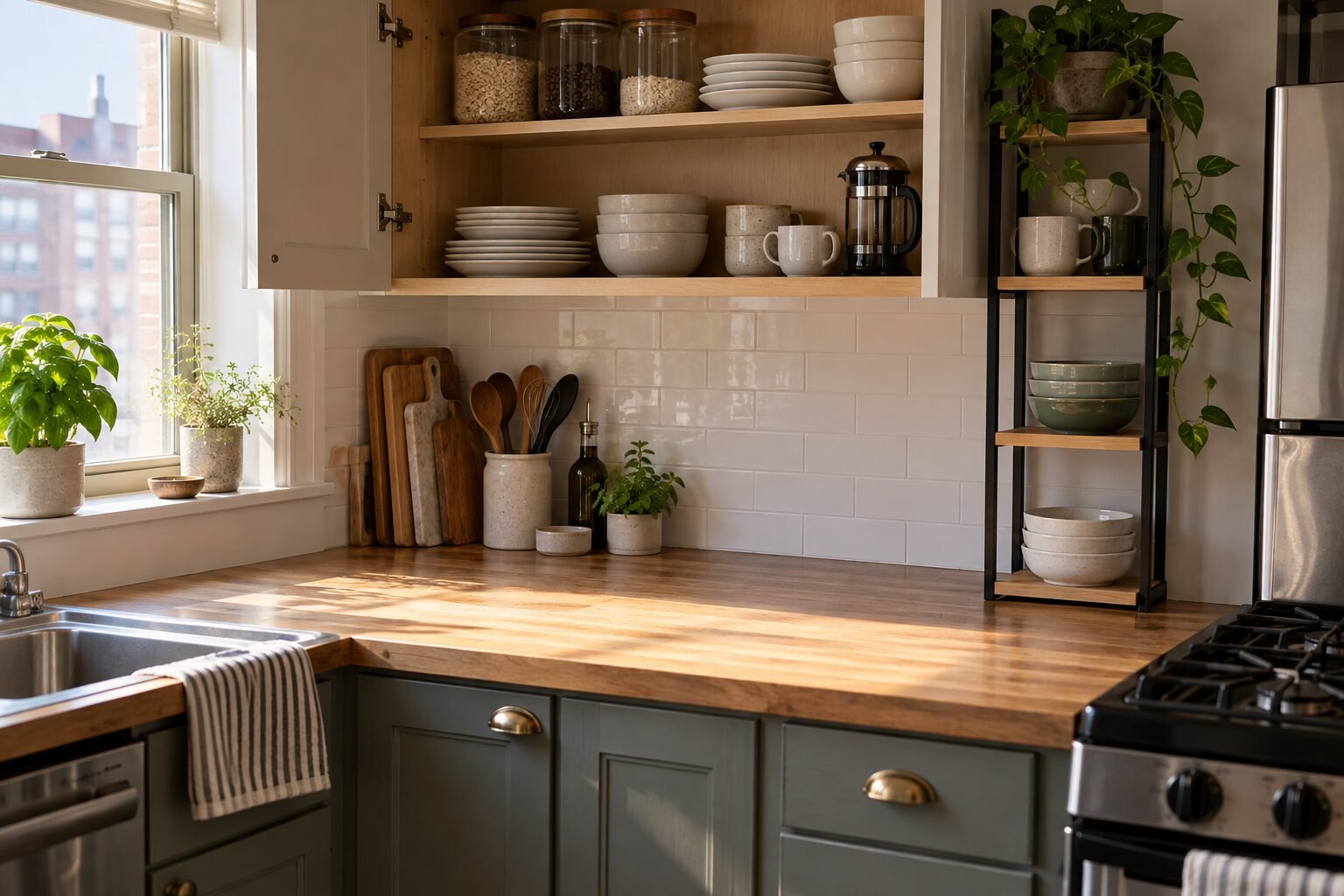
Map the work you actually do
Group the tasks that happen in your kitchen: making coffee, packing lunch, chopping vegetables, or unloading the dishwasher. Note which tools you use for each task and how often you reach for them. Keep daily-use items near their point of use, rather than giving every cabinet a makeover at once.
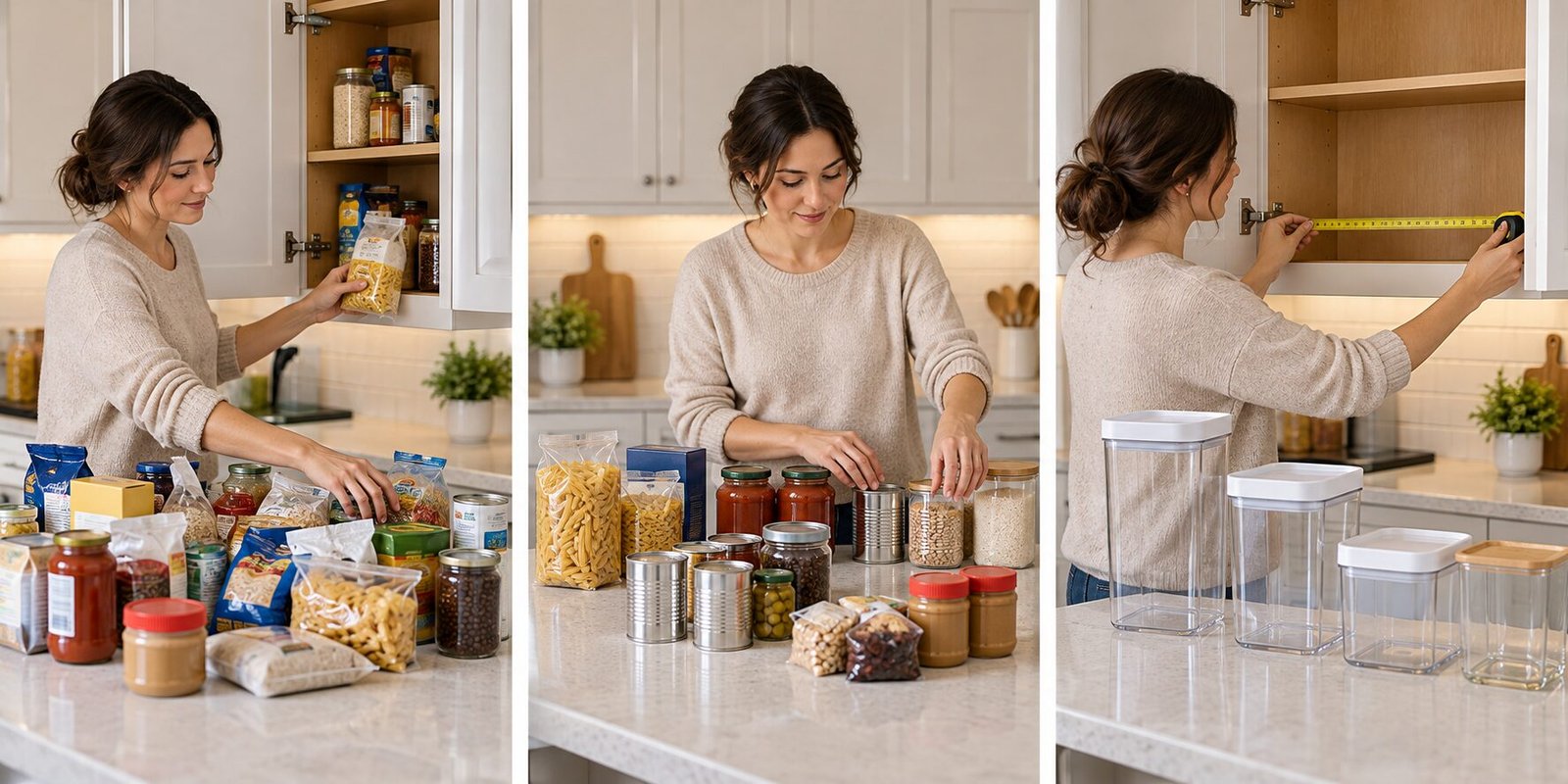
Measure before adding shelves
Measure cabinet width, depth, and usable height, including the space lost to hinges, handles, or a fixed shelf. For a counter rack, also consider whether it blocks an outlet, window, or the path between sink and stove. Product dimensions help narrow the options, but they cannot tell you whether the finished setup will feel crowded in your particular kitchen.

Choose fewer useful changes
Try relocating rarely used pieces before buying a tiered shelf or hanging rail. Vertical storage can make items easier to see, but it may be awkward if you have to move several things to reach one pan or bowl. Zoventaq’s guides are research-based, not hands-on tested; if a guide includes Amazon affiliate links, we may earn a commission. As an Amazon Associate I earn from qualifying purchases.
Run a no-purchase layout trial
Choose one repeated task, such as packing lunch. Put its everyday tools together temporarily, using containers you already own. Prepare a normal meal and then put everything away. Notice which items you move twice, which cabinet doors compete for space, and whether the counter still has an uninterrupted area for your cutting board. Change one location at a time so you can tell what helped.
Match storage to the bottleneck
Shelf riser: Useful when cups or short jars leave unused space above them. The trade-off is reduced clearance underneath; check that you can lift items out without tipping them. Upright dividers: Useful for lids and trays that otherwise form a heavy stack. They need height for the tallest item and room for your hand. Pull-out bin: Useful for retrieving items at the back, but the entire travel path must clear hinges and plumbing. No organizer: Often the better choice when moving occasional-use items creates all the space you need.
Make a measurement note you can shop from
Record the narrowest usable width, usable depth with the door closed, and height to the shelf above, in inches for US listings. Separately note the opening width: a cabinet can be wider inside than the space through which an assembled organizer must pass. Trace the proposed footprint on scrap paper and place it in the cabinet. This checks the floor area; you still need to check height, load limits, and space to lift out your items.
A one-week trial plan
- Day 1: take a photo of the problem areas and write down what annoys you most.
- Days 2 to 4: use containers you already own to test a change, such as grouping lunch supplies.
- Day 5: measure the space again and compare with what you tested.
- Days 6 and 7: decide whether the change helped; only then consider buying.
Options for renters
Freestanding risers, tension rods and over-the-door racks usually avoid drilling and are easy to remove when you move. If you use adhesive hooks, check the maker’s weight and surface guidance, and test a small hidden spot first. Ask your landlord before making changes you cannot undo.
Where to spend and where to save
Spend on items you handle every day, such as the container you open daily or the drawer tray you use constantly. Save on rarely used extras. Cheaper organizers are fine for light, low-stress jobs, but heavy loads deserve a sturdier design and a stated load limit.
Updated October 30, 2026. Zoventaq’s guides are desk research and are not based on hands-on testing.
Common questions
Should every pantry item go into a matching container? No. Start with items that spill or are hard to identify. Keep cooking directions, allergen information, and date information with anything you decant. A uniform appearance is less useful than a system you can maintain.
What if I rent? Freestanding options avoid drilling, but still check stability and your lease before attaching anything. Do not assume an adhesive is harmless to paint or laminate; follow the surface and mounting-product instructions.
How do I know the layout works? Try it through cooking and cleanup before buying more. A useful arrangement makes both taking items out and putting them back straightforward. If a basket must be emptied to reach its contents, reconsider its size or location.
Next: compare kitchen storage formats and buying checks, use the under-sink measurement guide, or organize a food-prep drawer.